Cooling Units: Reliable Solutions for Commercial and Industrial Areas
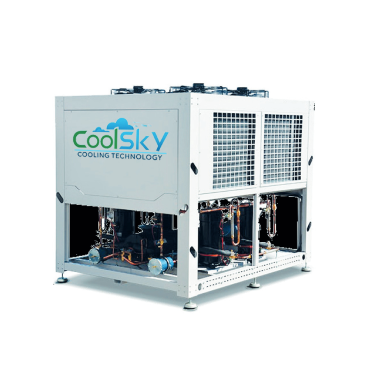
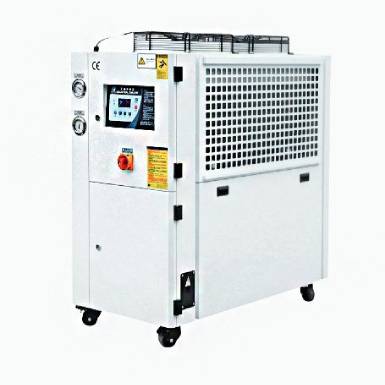
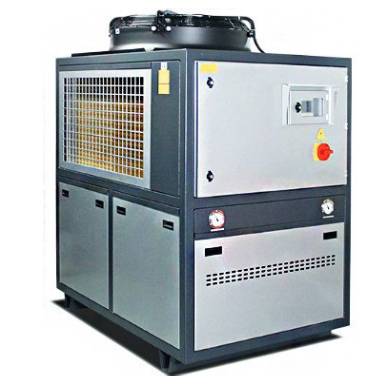
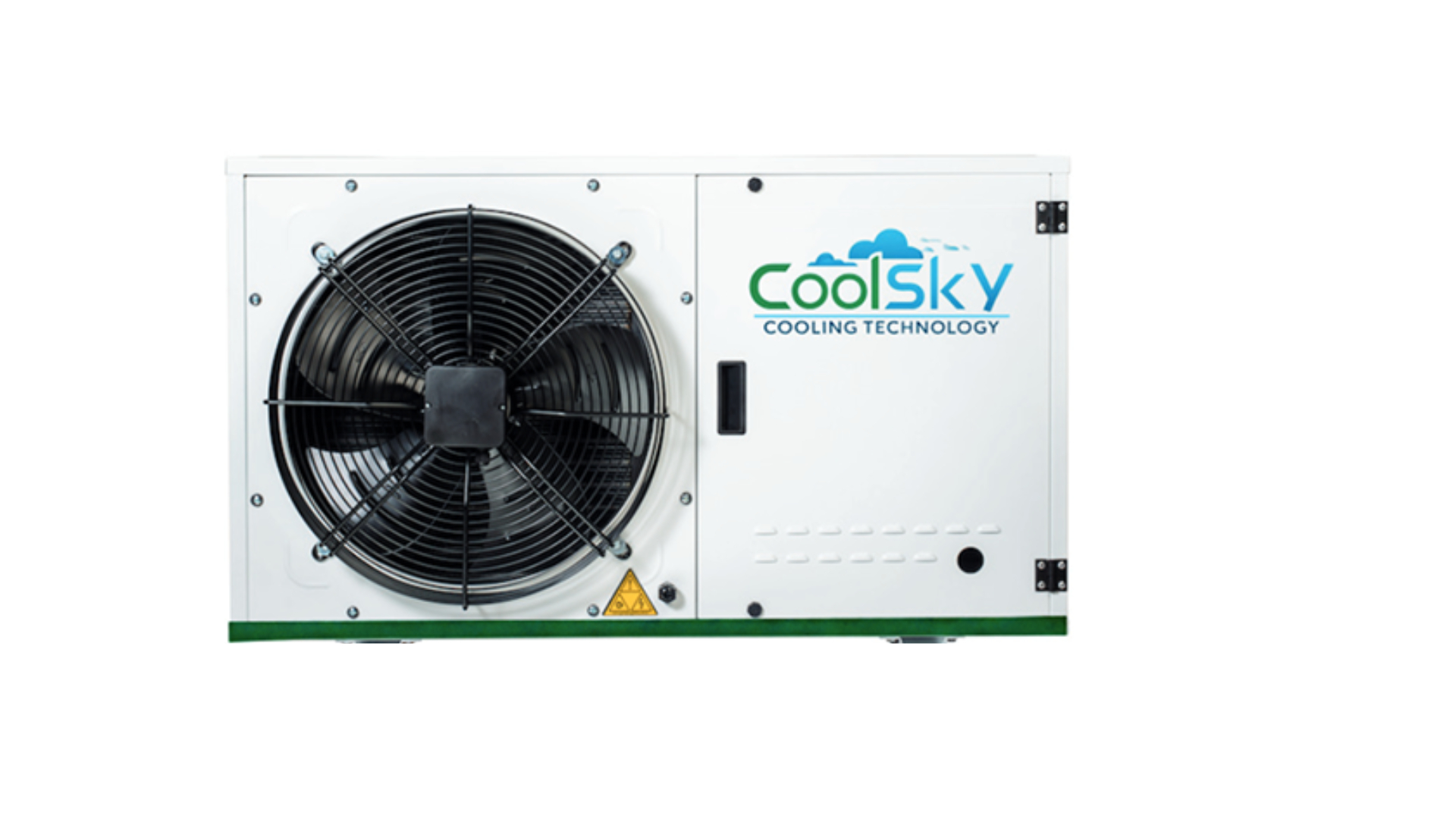
Cooling Units are systems used in commercial and industrial cold rooms, food preservation, freezing, and storage, which provide temperature control. These units play a critical role in preserving the freshness and quality of products, preventing spoilage, and optimizing storage conditions. They have different models for positive (cold storage) and negative (freezing) applications.
High Efficiency and Wide Application Areas
These systems are specially designed to meet the needs of commercial type cold rooms and deep freezer storage. Thanks to their models that can work in a wide temperature range, they allow for the safe storage of foods such as meat, dairy products, vegetables, and fruits, as well as pharmaceuticals and chemical substances. Thanks to high-efficiency hermetic scroll compressors, they offer maximum cooling performance with low energy consumption.
Advanced Features and Control
Cooling units have various advanced features for ease of use and operational efficiency:
-
Smart Control: Temperature, defrost cycles, and other parameters can be easily adjusted via microprocessor-controlled panels.
-
Remote Management: It offers the possibility of integration with remote control or central management systems, providing flexibility and control to business owners.
-
Durable Design: It offers long-lasting use with its bodies made of durable, corrosion-resistant materials against external factors.
The Basic Structure of the System
A cooling unit usually consists of the following basic components:
-
Compressor: Compresses the refrigerant, enabling its circulation in the system.
-
Condenser: Expels the heat of the compressed fluid, causing it to liquefy.
-
Evaporator: Allows the liquid refrigerant to evaporate and absorb the heat in the cold room.
-
Control Panel: Enables the adjustment and monitoring of the system.
These units are indispensable for the safe and proper storage of products in many fields, from the food and pharmaceutical sectors to logistics.